
Mark the material groups before loading
Create separate places for items intended for the roll-off, items awaiting an answer and items assigned to another collection method. Tell everyone loading which instructions apply. Describe dense material separately from bulky light waste; volume alone does not settle weight or handling limits.
Reserve the working space
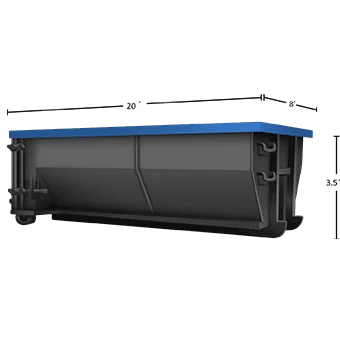
Ask about the proposed container's loading arrangement and the space required for delivery and removal. Keep the path used by people and barrows away from occupied doors and vehicle movements. Discuss surface protection with the provider instead of assuming no marks or damage can occur.
Inspect before requesting collection
Check that the load follows the agreed fill and material rules and that access has not been blocked. Report an unexpected item or a change in scope rather than concealing it under the load. Confirm collection through the agreed contact; a full container does not automatically trigger a pickup.
Questions before you book
Can I choose size from floor area alone?
No. Explain the materials, expected amount and density, then request a recommendation with its limits.
What if a different contractor adds waste?
Make the accepted material instructions visible and identify who can approve changes. An additional loader does not expand the container's permitted contents.